
Sensitive Content: Abortion and Miscarriage
I’m busy with final preparations for a major reading from my poetic memoir, Three-Penny Memories. the reading will also include a PowerPoint presentation about why my poetry book reads like a novel. I’ve been working on this presentation for months and even gave a version last October to a poetry group at the Garden of Neuro Institute. The session was recorded.
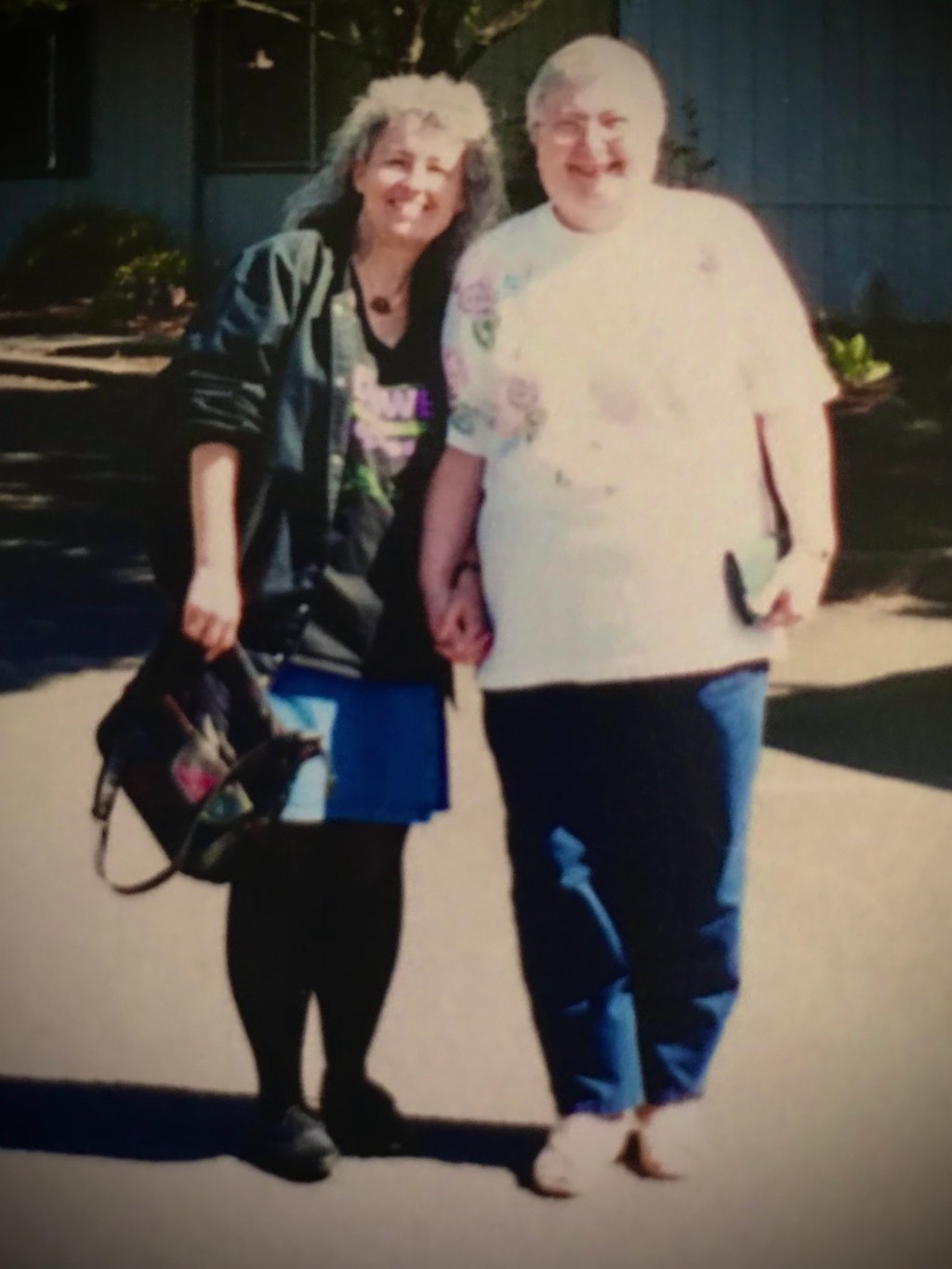
Yesterday I was surprised because I felt grief welling up. I hope I can read the poems next week. 🙏The anniversary of Mom’s passing is April 3, two days before the presentation. Mom’s death date was forewarned. In mid-March 2016, it was clear her body was shutting down, so her children came to be with her when she was in hospice. One day, a couple of brothers and I were going to lunch. When I stepped out of the car, at my feet were three shiny pennies lined up in a perfect row on the asphalt. I was taken aback because pennies that fall out of pockets land randomly.
Mom always wanted me to pick up pennies but I resisted, forcing her to do it. It was always a squabble. That day, I felt like I was being asked to pick up the three pennies. Over and over! Unfortunately, I resisted again! Yet I couldn’t help but feel there was a message for me. Indeed, she passed on April 3. This story inspired the title of my book, which is a love story about Mom and me.
I felt compelled to write poetry to heal from grief. I was her namesake. Few people name a daughter after her mother. I felt like we were soulmates. I was the eldest daughter and second oldest. At the young age of 9, I became her helper with all the “little ones”, my youngest siblings, so I was an extension of her. Mommy’s helper.
Our lives were parallel in other ways. Just as she cared for me when I had measles encephalitis at age 6 going on 7, I cared for her when she navigated Alzheimer’s. Both of these maladies affect the brain and memories.
Mom and I experienced trauma related to child bearing. Mom had a secret pregnancy when she was a freshman in college, and I had a secret miscarriage when I was in grad school. I didn’t learn of her abortion until I was a young adult. It was not Mom’s choice to end the pregnancy, I feel. But in those days, unmarried pregnant women were scorned, and her father’s reputation would have been harmed if her pregnancy became obvious. I felt compassion and love for my mother regardless of the shame that she felt. Mom eventually told us and her friends, so I feel I can talk about it.

When I was in grad school, I learned my reproductive system was a mess. I had a T-shaped uterus and other problems like cancer scares. I found out that when I was in utero, Mom was prescribed Diethylstilbestrol (DES). As it was a popular drug prescribed to prevent spotting, countless fetuses were affected. Hence the term DES Babies. Because my uterus couldn’t support an embryo, I had a miscarriage one day at home. I felt so much shame that I didn’t tell anyone, except my doctor. It was a painful experience that involved discharging a large clump of tissue in the toilet. I’m sorry to be graphic.
Why would I feel shame? When I told my parents about the DES effects on my body, I wasn’t really consoled. I had to console Mom, who had always made a huge deal about childbearing. She always told me that women who didn’t have kids were selfish. And later, despite the news about my infertility, she still shamed me for being childless. I was gobsmacked. How could she say such a thing? This was years before an Alzheimer’s diagnosis. When I tried to get consolation from a brother, he told me “not to lay that on Mom”. So I felt unseen.
As a result, I didn’t want to admit to having a miscarriage. I had failed to produce a child. My doctor said I could have a baby if my uterus were tied off and I received hormones shots daily. That process overwhelmed me. My then husband and I didn’t have the resources to pay for that process.
After Dad died and Mom needed more help, she chose to live near me. When I told her brother, my favorite uncle, that I would be helping Mom, there was a pause in our conversation. He asked, “Do you love her?”

His question inspired my book (and sent me to therapy ☺️). Did I love her? Why would he ask? His question prompted me to explore the key events, maladies, and other entanglements that made Mom and me dance or run in flight from each other.
Can a daughter doubt her love for her mother who is suffering from Alzheimer’s? Can she learn to love the stranger her mother is becoming?
There is no greater agony than bearing an untold story inside of you. —Maya Angelou


 Extraordinary Sunshine Weaver
Leave a reply to Susi Bocks Cancel reply